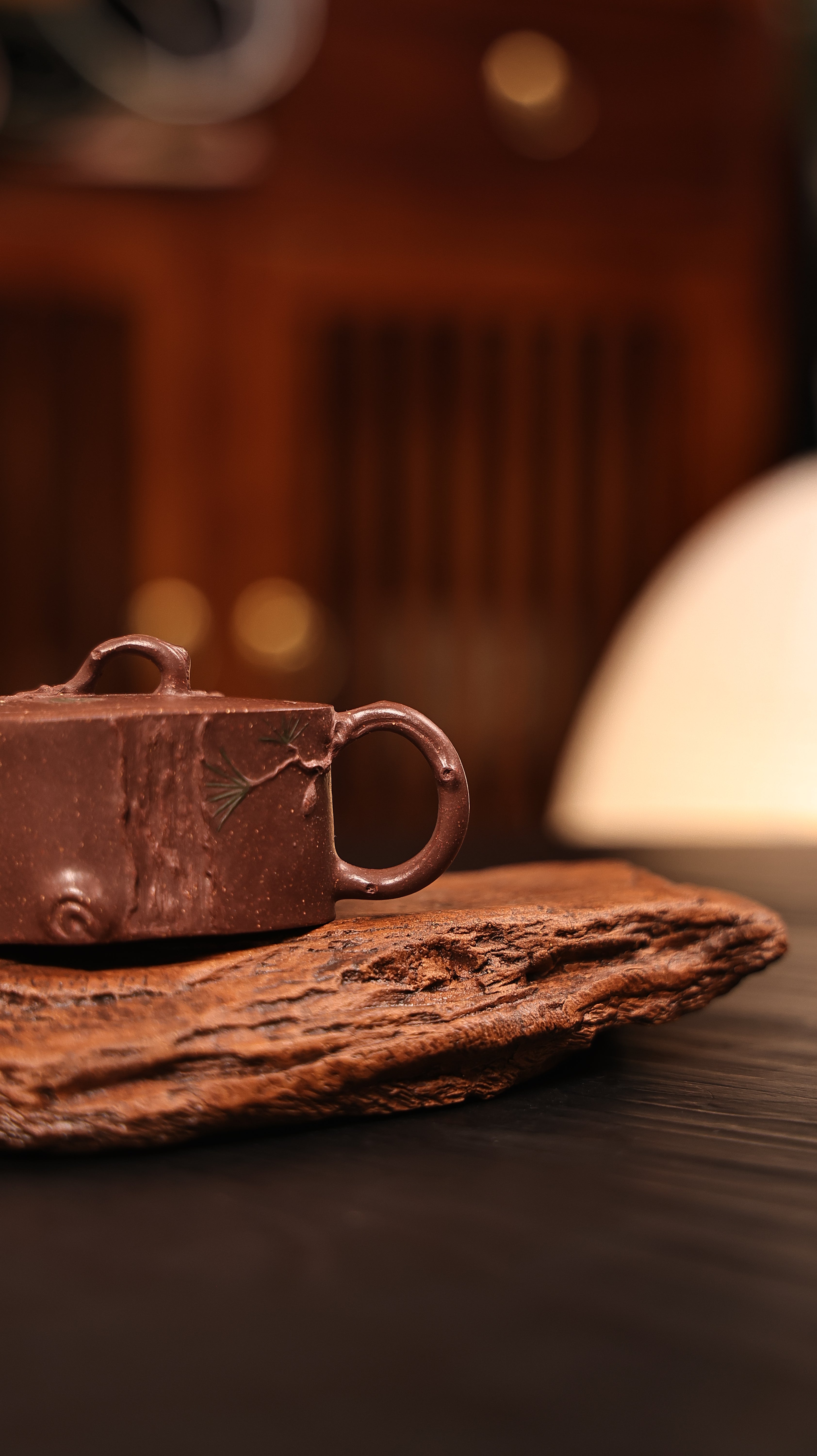
Across the expanse of historic epochs,
Amidst eras, gatherers have been captivated by the exceptional charm of Yixing Zisha vessels. Originating from the area of Yixing in the Jiangsu Province, these artifacts are renowned for their distinguished beauty, exclusive clay, and built-in ability to refine the flavor of the brew. The earth's distinctive reddish-purple hue, combined with the expert construction of indigenous sculptors, creates products that are equally functional crafts and esteemed properties. Possessing a Zisha teapot is more than just certain purchase; it's welcoming a rich ethnic heritage.
Unraveling Yixing Teapots: Chronicles, Kinds, and Merit
The renowned Yixing teapots constitute a profound past deeply intertwined with Chinese culture. Stemming in the Yixing region of Jiangsu province, these clay vessels possess a heritage stretching back to the Ming Dynasty. Initial examples were functional, but over centuries, Yixing teapot building evolved into an esteemed art form. The clay itself, known for its unique vitality and ability to boost the flavor of the tea, exists a defining factor. Yixing teapots appear in various styles, broadly categorized by shape: Historic such as Zhuni (purple clay) and Bisheng, as well as refined designs. The merit of a Yixing teapot varies on several factors, including the potter’s fame, the age of the piece, the rarity of the clay, and its aesthetic appeal.- Account: Old ages
- Earth: Various types
- Appraisal Elements: Scarcity
Zisha Pot Creation: Methods and Potters
That production of a bona fide Zisha teapot is a complicated process, requiring generations of mastery. Seasoned artisans meticulously source the excellent Zisha clay, a uncommon earth found only in specific regions of China. Established techniques, often relayed through families, involve meticulous shaping, subtle carving, and deliberate firing in ancient ovens. The culminating teapot isn't merely a holder; it's a testament to artistic vision and the serious connection between the artist and their background. Each teapot showcases the specific touch of the potter, resulting in a truly rare work of pottery.
Eastern Vessels: Understanding the Abundant Inheritances of Yixing Area
Celebrated Yixing, positioned in Jiangsu the jurisdiction, is internationally renowned for its exceptional containers – a tangible representation of centuries of Chinese culture. These aren't merely vessels for creating tea; they are intricate works of artistry, often reflecting intellectual ideals. A unique purple clay, known as Zisha, possesses Chinese Teapot distinctive qualities: the clay dense, porous, and imparts a subtle note to the tea.
- Many households have honed the techniques of Yixing container making, passing down hereditary methods through successions.
- Enthusiasts prize these pieces for their loveliness and rareness.
- Every object tells a chronicle, connecting the drinker to a rich heritage.
Investing in Yixing Zisha: Crucial Elements
At the time of studying purchasing Yixing Zisha clayware, numerous parameters involve careful attention. Initially, the element's pigment is paramount; authentic Zisha traditionally exhibits a unique earthy tinge. What's more, review the execution; exacting attributes and a smooth surface suggest experienced creation. Ultimately, review the craftsman's standing; well-known names earn enhanced rates and often afford a secure gain.
The Art of Brewing Tea with a Zisha Teapot
Brewing delicious tea with a Zisha carafe is more outstripping a simple habit; it's an specialty. Zisha clay, noted for its unique natural composition, imparts a refined character to the prepared tea that’s often absent with other materials. The right water thermal condition is fundamental; typically, reduced than what's used for black tea, to save the tea's scent and taste. Consider carefully the tea variety; delicate green teas or aged pu-erhs benefit from the Zisha’s ability to reduce their natural edge. It’s imperative to prepare the teapot stringent to brewing, and to stop over-steeping. Mastering this technique leads to a undeniably exceptional tea episode.
- Knowing Zisha Clay
- Thermal Condition of Water & Tea Type
- Essence of Tempering
Sustaining Your Renowned Clay Pot
Intending to sustain the existence of your treasured Yixing container, careful protection is essentially necessary. Eschew using soapsuds; instead, gently purify it with lukewarm hydrous medium. Shun sudden variations; don't deposit the clay pot directly onto a thermally active burner. Periodically, develop the kettle by processing it with premium specialty beverage, as this promotes to build its profile and defends the exclusive charm of the element.
Concerning Dirt to Vessel: The Development of a Zisha Utensil
A creation of a Zisha teapot is a intriguing approach, a demonstration to both the planet's bounty and the expertise of the craftsman. It inaugurates with the selective extraction of the exceptional clay from the crimson Zisha mines close to Yixing. This pure material, known for its exceptional attributes, is then methodically cleaned and molded for the early forming. The teapot's design is masterfully formed using a mix of classical sculpting practices, often incorporating complex motifs. Following aging, the vessel undergoes a critical first firing, preceded by a varnishing stage, which might involve countless layers of pure Zisha slips. Finally, a second, and sometimes third, firing at extreme temperatures finalizes the object, revealing its definitive beauty and fantastic characteristics - a true masterpiece, available to enrich a tea event.
{Yixing Teapots: A Sign of the Legacy and Valuation
Famous Yixing teapots, originating from the renowned Yixing region of Jiangsu province, are far more than mere containers for brewing the beverage; they represent a significant aspect of Chinese civilization. Fabricated from distinctive purple clay – zisha – these special teapots are highly admired for their ability to amplify the flavor of the tea and, crucially, for their splendor. The annals of Yixing teapot making spans centuries, and the know-how involved is passed down through generations, making each teapot a work of art that embodies time-honored techniques and a profound appreciation for the simple pleasures in life.