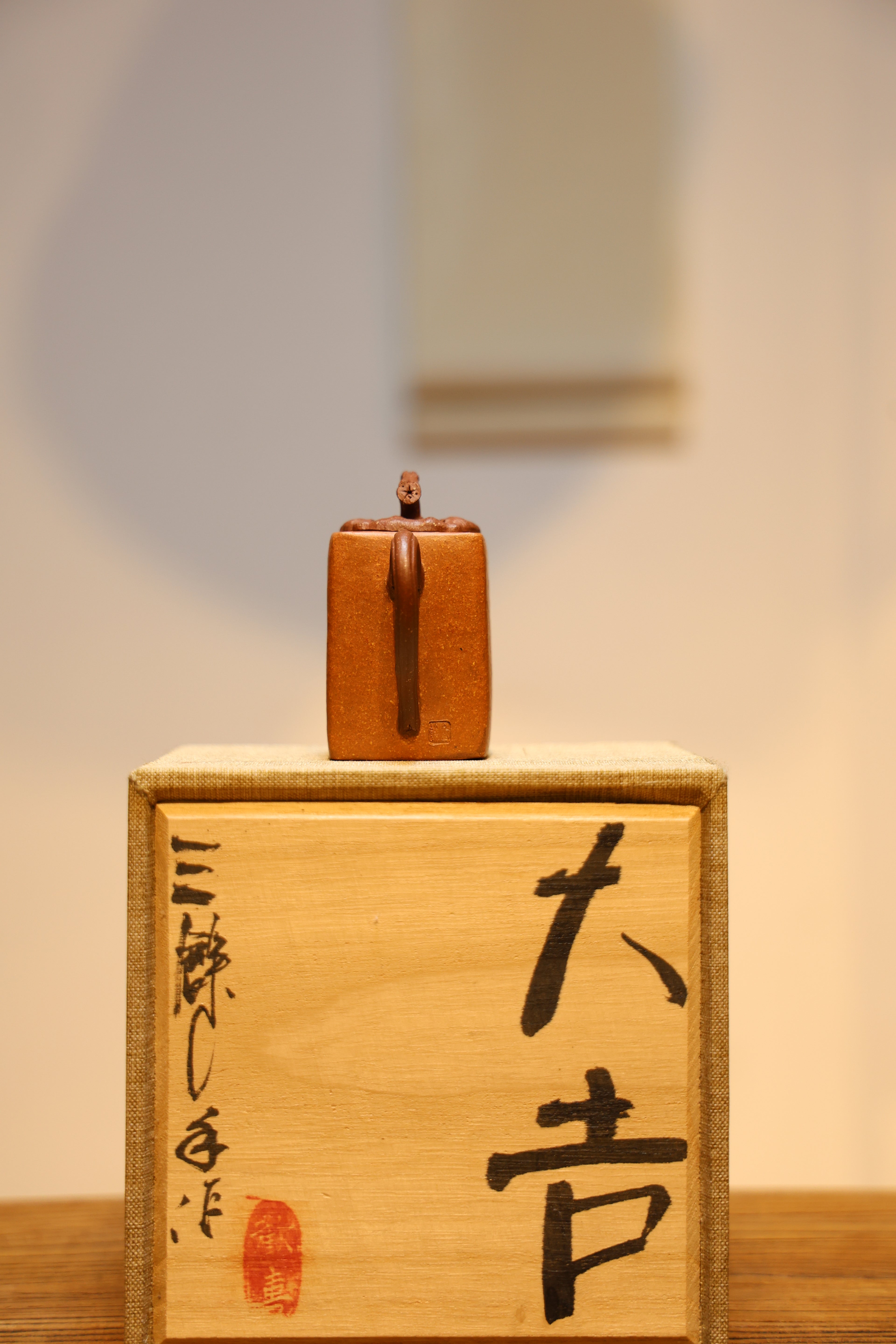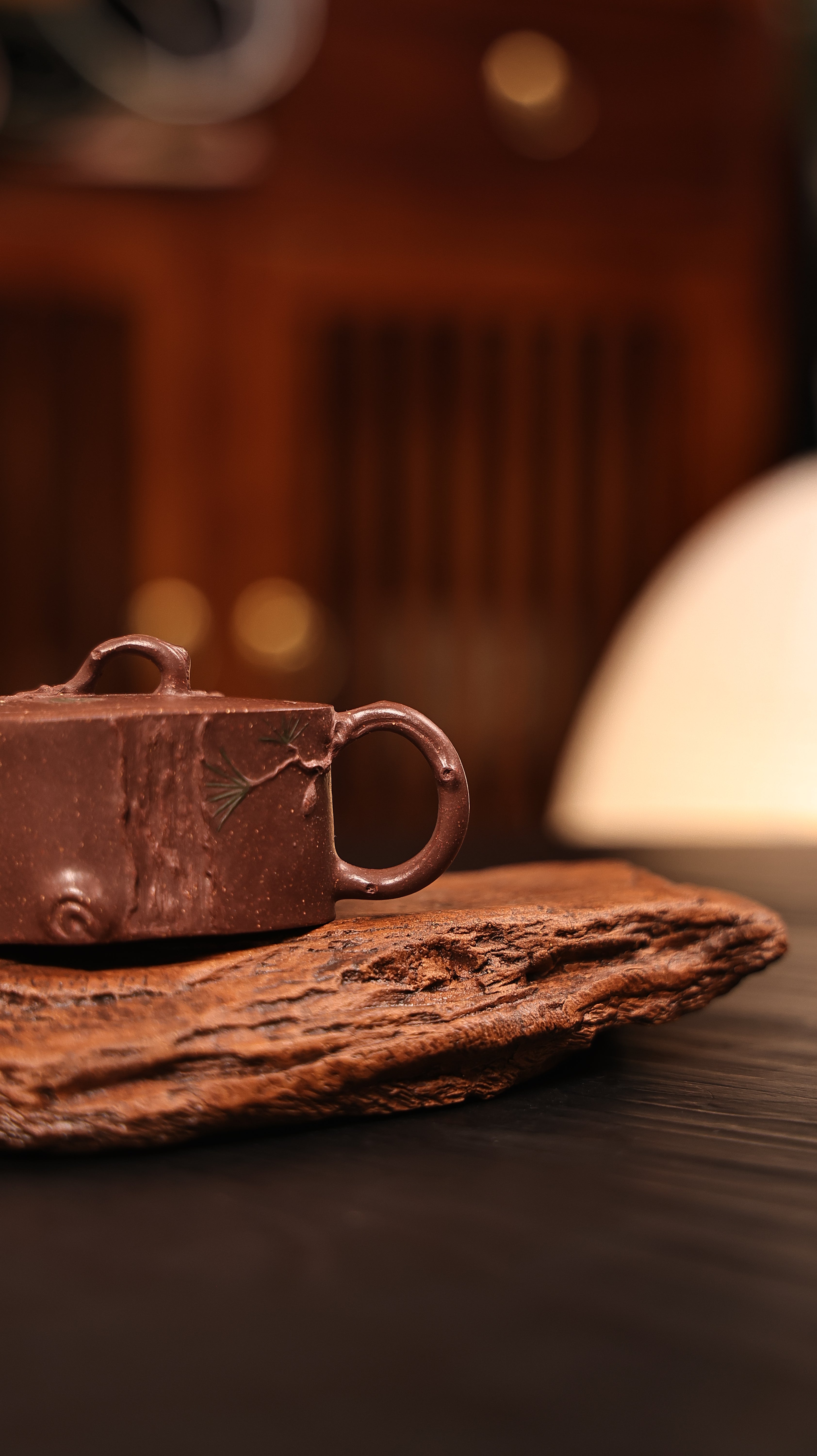
Across age-old chronicles,
Throughout decades, collectors have been ensnared by the one-of-a-kind charm of Yixing Zisha pitchers. Originating from the realm of Yixing in the eastern province, these implements are renowned for their prominent beauty, singular clay, and congenital ability to improve the taste of the drink. The material's distinctive maroon hue, combined with the masterful fabrication of indigenous creators, creates creations that are concurrently functional masterpieces and coveted endowments. Possessing a Zisha teapot is more than just specific purchase; it's seizing a rich ancestral heritage.
Investigating Yixing Teapots: Narrative, Forms, and Merit
The notable Yixing teapots stand as a deep past deeply intertwined with Chinese culture. Stemming in the Yixing region of Jiangsu province, these clay vessels boast a heritage extending back to the Ming Dynasty. Initial examples were functional, but over centuries, Yixing teapot building evolved into an esteemed art form. The clay itself, known for its unique vitality and ability to raise the flavor of the tea, exists a defining factor. Yixing teapots appear in various styles, broadly categorized by shape: Historic such as Zhuni (purple clay) and Bisheng, as well as exclusive designs. The merit of a Yixing teapot relies on several factors, including the potter’s reputation, the age of the piece, the rarity of the clay, and its aesthetic grace.- Chronology: Founding era
- Material: Zhuni (purple clay)
- Estimation Aspects: Craftsman's renown
Zisha Teapot Mastery: Craft and Artisans
The development of a true Zisha teapot is a challenging process, requiring years of competency. Experienced artisans meticulously choose the prime Zisha clay, a rare earth found only in specific regions of China. Traditional techniques, often bestowed through families, involve exacting shaping, sophisticated carving, and gradual firing in ancient incinerators. The concluding teapot isn't merely a receptacle; it's a testament to aesthetic vision and the deep connection between the artisan and their tradition. Each work showcases the unique touch of the specialist, resulting in a truly matchless work of art.
Historical Teapots: Delving into the Rich Cultures of the Yixing Region
Historic Yixing, situated in Jiangsu the area, is globally renowned for its exceptional ceramics – a tangible representation of centuries of Chinese creative legacy. These aren't merely vessels for making tea; they are intricate works of creativity, often reflecting cultural ideals. That unique Yixing Teapot purple clay, known as Zisha, possesses uncommon qualities: it is dense, letting air through, and imparts a subtle flavor to the tea.
- Countless tribes have honed the techniques of Yixing pot making, passing down hereditary methods through times.
- Enthusiasts prize these pieces for their appearance and exceptionality.
- Each vessel tells a legend, connecting the partaker to a rich legacy.
Considering Yixing Zisha: Essential Tips
While evaluating collecting Yixing Zisha earthenware, several elements require careful analysis. At the outset, the ingredient's color is crucial; authentic Zisha generally exhibits a particular rust-colored undertone. Moreover, investigate the execution; exacting traits and a clean veneer manifest skillful workmanship. Lastly, investigate the maker’s background; noted names bring elevated costs and often guarantee a stable return.
Zisha Teapot Tea Brewing Mastery
Producing appetizing tea with a Zisha pitcher is more surpassing a simple practice; it's an science. Zisha clay, famous for its unique geological composition, imparts a delicate character to the finished tea that’s often lacking with other implements. The suitable water level is required; typically, gentler than what's used for black tea, to preserve the tea's smell and nuance. Consider mindfully the tea sort; delicate green teas or aged pu-erhs excel from the Zisha’s ability to smooth their natural edge. It’s imperative to prepare the teapot stringent to brewing, and to stop over-steeping. Mastering this technique leads to a rightfully exceptional tea event.
- Grasping Zisha Clay
- Liquid Heat & Tea Classification
- Benefit of Warming
Looking After Your Distinctive Clay Pot
Intending to maintain the lifespan of your treasured Yixing container, consistent care is essentially necessary. Shun using soapsuds; instead, non-aggressively spray it with hot H2O. Refrain from immediate fluctuations; don't position the clay pot directly onto a burning burner. Periodically, strengthen the vessel by filtering it with first-rate dark brew, as this facilitates to enhance its nature and safeguards the peculiar attributes of the component.
Regarding Earth to Cup: The Progression of a Classic Container
Such creation of a Zisha teapot is a astonishing operation, a representation to both the world's bounty and the mastery of the maker. It launches with the careful extraction of the special clay from the plum Zisha mines near Yixing. This untreated material, known for its superlative qualities, is then deliberately distilled and prepared for the original forming. The jug's shape is carefully built using a concoction of ancient modeling systems, often incorporating sophisticated patterns. Following maturing, the urn undergoes a indispensable first firing, followed by a coating stage, which might involve several different layers of authentic Zisha films. Finally, a second, and sometimes third, firing at high temperatures perfects the artifact, revealing its definitive beauty and magnificent characteristics - a honest masterpiece, ready to enhance a tea gathering.
{Yixing Teapots: A Token of the Legacy and Valuation
Famous Yixing teapots, originating from the noted Yixing region of Jiangsu province, are far more than mere vessels for brewing tea; they represent a deep aspect of Chinese customs. Formed from distinctive purple clay – zisha – these remarkable teapots are highly treasured for their ability to boost the flavor of the tea and, crucially, for their loveliness. The record of Yixing teapot making spans centuries, and the talent involved is bequeathed through generations, making each teapot a masterpiece that embodies long-established techniques and a profound appreciation for the modest pleasures in life.