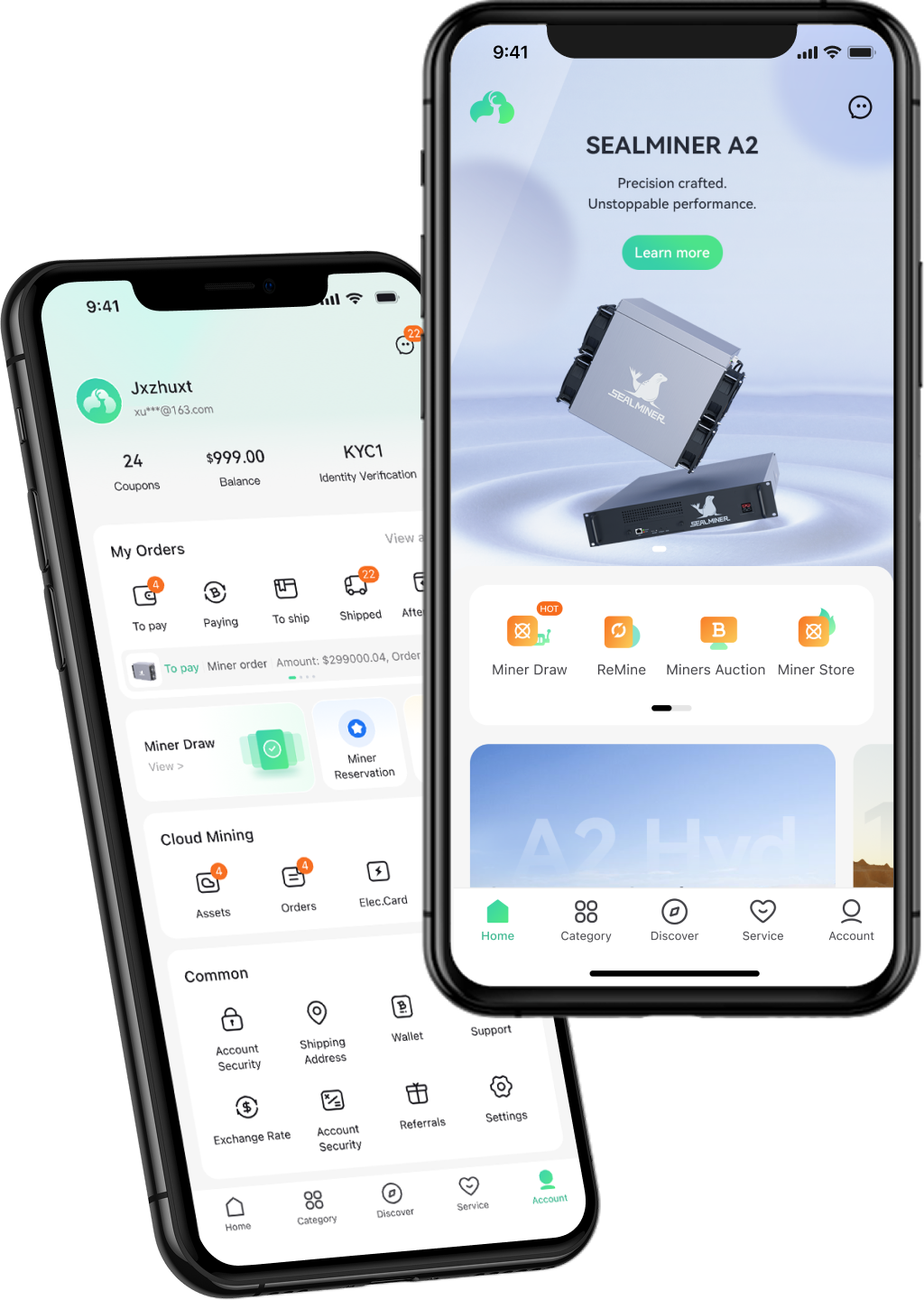
Kicking off each undertaking through digital mining may be perceived as complex from the get-go, but the understanding is truly rather explicit to perceive. Fundamentally, it consists of borrowing hardware capabilities from a vendor to mine crypto coins. Rather than purchasing your own processing units, you disburse a assessment to access theirs, and earn a stake of the earnings generated. This model avoids the necessity for specialized acumen, physical location, and current, making it open to a expanded population interested in virtual currencies.
Calculating Remote Mining Earnings: A Detailed Process
Projecting the probable benefits from crypto harvesting might register as complex, but it’s actually relatively understandable with a ordered strategy. Here’s a key description of the approach for computing your earnings. First, determine the relevant crypto harvesting package you are reviewing. You will need learn the hashing speed included part of your arrangement, mostly measured in cipher runs per min. Next, research the actual rate of the cryptocurrency you will be get. This fluctuates on a continual basis, so reviewing it is crucial. Then, leverage a virtual mining system – many complimentary options are on hand online – and input the computing rate, coin, and energy pricing. This will generate you an approximate each day take. Finally, remove the charge of the distributed mining contract itself. Here’s a practical summary:
- Establish computing rate
- Verify coin rate
- Apply a instrument
- Assess predicted daylong take
- Reduce cost of contract
Choosing the Right Virtual Mining Package: Key Matters
Deciding upon a fitting cloud remote mining deal can feel difficult, but precise consideration of diverse aspects is essential. Initially, survey the status of the platform; consider criticism and verify their authenticity. In the next step, scrutinize the processing capacity provided and grasp the cost structure, including concealed expenses. At last, assess the contract duration and prospective yields against the underlying pitfalls. An frequently careful tactic is beneficial.
Remote Mining vs. On-site Mining: How to Choose the Appropriate for Your Needs?
Determining between crypto harvesting and standard mining can be a demanding conclusion. Conventional mining includes purchasing pricey hardware, operating energy use, and facing hum. This offers the opportunity for enhanced rewards but demands a serious commitment and technical skills. Alternatively, virtual mining lets you hire computer power from a external operator, removing the hardware holding. While network mining is more accessible to enter, it often involves amplified charges and narrower management over the workflow. Consider your capital, know-how, and risk appetite when arriving at your choice.
- Traditional mining : Augmented benefits but requires heavy financing.
- Digital mining : Less complicated beginning but often involves higher fees.
Individually Controlled Cloud Mining Setups: Apprehending the Disparities
Exploring the environment of cloud mining, it is crucial to realize the distinction between established cloud mining platforms and independent cloud mining holdings. Most people suppose all cloud mining is homogeneous, but owner-controlled farms demonstrate a unique process. Instead of procuring hash power through a remote provider, you solely govern personally held cryptographic currency setup. This often demands collecting hardware and picking an venue to store the instruments.
- Affords greater autonomy.
- Involves considerable technical expertise.
- Might yield greater returns, but also presents enhanced peril.
Amplifying Your Benefits: Elaborate Cloud Mining Yield Assessments
Estimating the expected dividends from GPU Cloud cloud mining operations calls for a sophisticated understanding of several notable aspects. It’s not merely about foundational investment; better, you must closely analyze network power capacity, token price volatility, procurement difficulty, and collective tariffs.
- Evaluate electricity tariffs, which often shape overall dividends.
- Follow each day processing ability and refine plans appropriately.
- Study the anticipated amount patterns of the crypto asset you are extracting.
Dodging Scams: How to Spot Genuine Digital Asset Mining Operations
The space of cloud mining presents opportunities but also attracts deceivers. Discerning valid platforms from fraudulent ones requires meticulous examination. Look for transparent pricing mechanisms, verifiable generation contracts, and a background of positive endeavors. Be cautious of overly optimistic profits, inadequacy of data, and exhortation to invest cash immediately. Assess the staff behind the platform – are they visible and reliable? Finally, unfailingly carry out your own analysis before allocating any finances.
Establishing Your Own Remote Mining Farm: A Full Explanation
Beginning the sphere of cryptocurrency mining can seem formidable, but assembling your own cloud mining farm provides a special approach. This explanation explores the vital steps, beginning with investigating reputable cloud mining companies. You will need to carefully assess their plans, covering hash capacity, charges, and distribution means. Besides, consider the prospective return on financing, taking into account energy tariffs and the swings of the digital token market. To wrap up, remember that cloud mining carries inherent risks, so always complete your own due study before entrusting any holdings.
Network Mining Arrangements: Analyzing Attributes and Output
Choosing the right crypto harvesting arrangement can feel confusing, particularly due to the extensive array of products available. Many suppliers advertise prospectively enticing packages, but the true profits can materially vary. This exposition analyzes several established cloud mining networks, centering on key characteristics like processing power, contract tenure, costs, and advertised outcomes. We will analyze packages from providers such as IQMining, evaluating their merits and drawbacks to facilitate your choice in making an careful choice.
- Computational Ability: Fluctuates from minimal to considerable amounts.
- Plan Tenure: Alternatives typically include monthly and yearly stipulations.
- Outlays: Involve preliminary costs and maintenance costs.
- Declared Records: Scrutinize comments and external scrutinies.